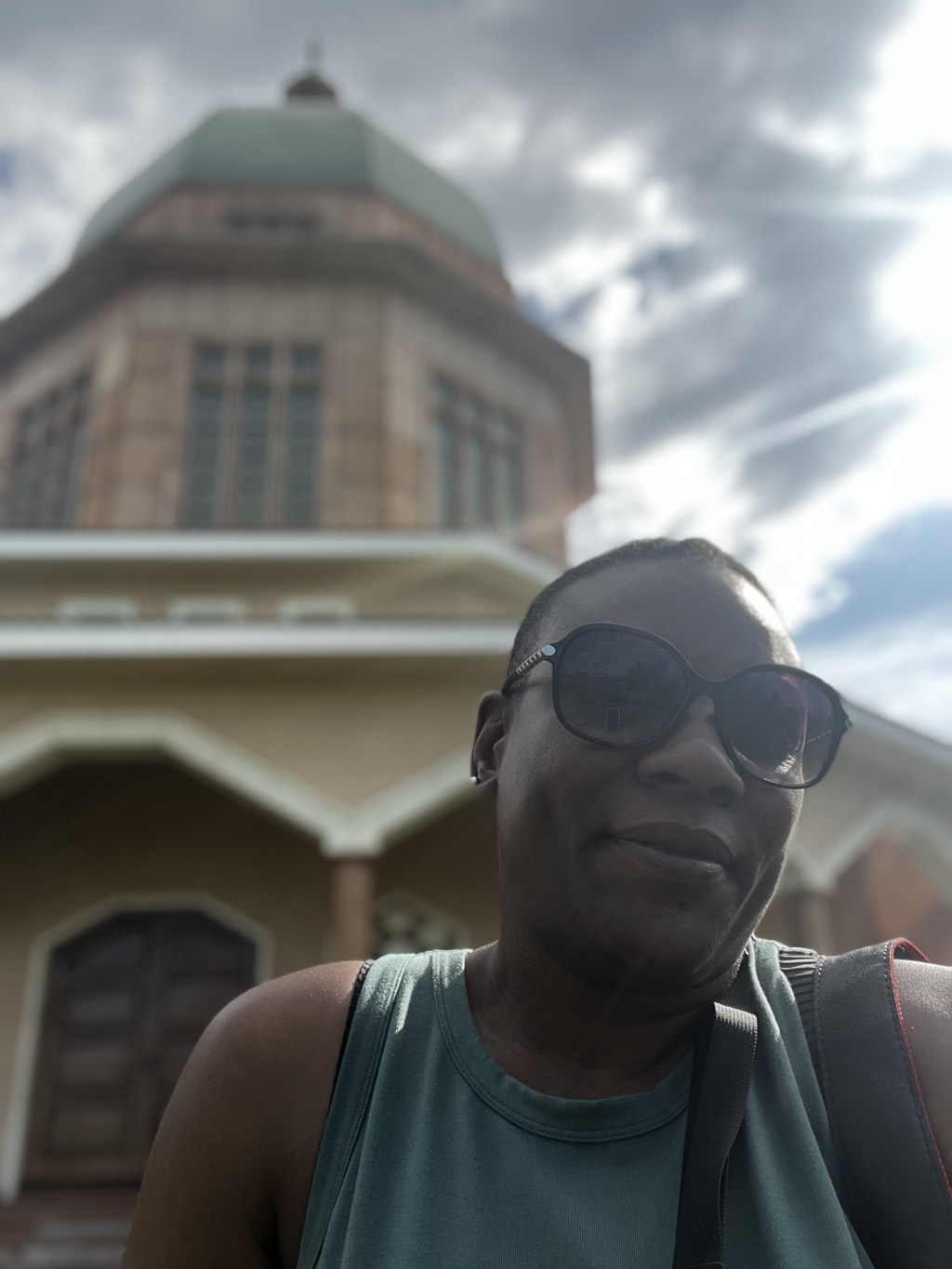
“No, I’m actually a Black American” is a phrase I often find myself saying when I travel internationally to countries with a majority black population. From the Bahamas to Kenya, I have been directly spoken to in the native language only to return a smile while shaking my head no.
Knowing that I blend in when I visit the Caribbean, or the Continent (Africa) is unique. As a Black woman raised in the South, I’ve always known what group and culture I belonged to. It was evident in my environments and the organizations we invested time in; it was apparent in my neighborhood and schools. So, traveling to places where I was found “racially ambiguous.” is a bit of a mental leap because, in America, I am rarely, if ever, asked to clarify my identity.
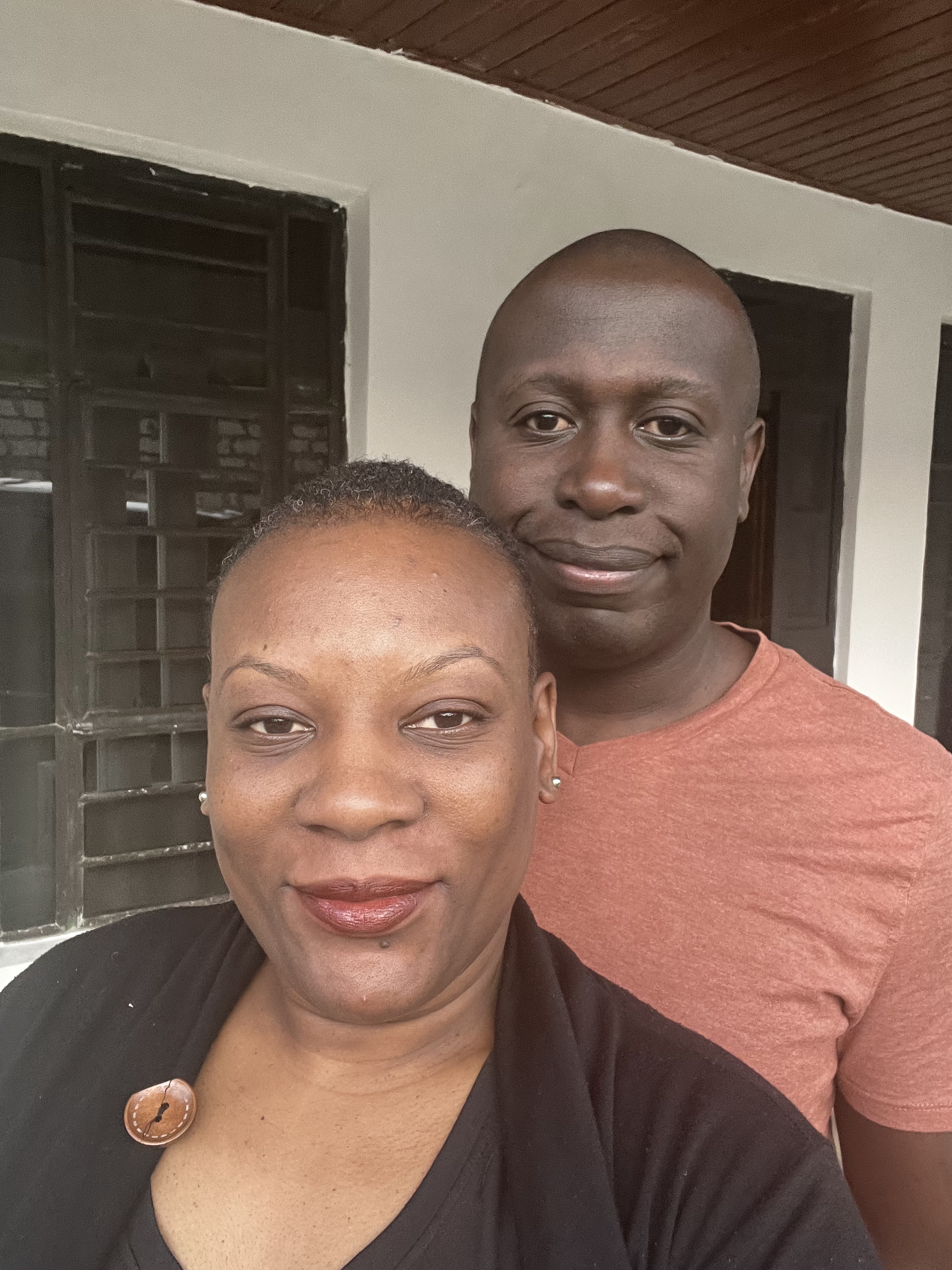
The “Are you????” question has always been asked with sincere curiosity, but I’ve only processed it further once I started visiting African countries. For context, my spouse is Kenyan, from the Luo tribe. He can quickly identify another Kenyan and, with a few introductory greetings, tell you which tribe they are from, so when I travel with him, it’s assumed we’re an African couple.
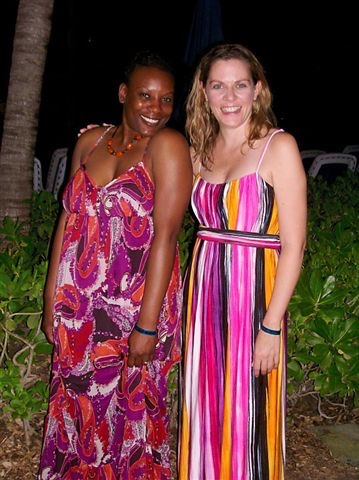
“Story Time” On a girl’s trip to Jamaica with a good friend, I was approached by a young man who immediately directed his attention toward me and began speaking in Patois. Having a diverse friend group, some with heavy accents, I could easily make out what he was asking but could not reciprocate, so with my Georgia Twang, I politely informed him that I didn’t speak Patois. He looked shocked, or maybe it was a disappointment. Either way, his next question was, “Are you Jamaican” and my reply was, “No, I’m actually a Black American.”
Shopping at a The Maasai Market in Nairobi, attempting to build my negotiation skills with the few Swahili words and phrases I have been able to learn, the owner of the booth went complete Swahili explaining the options and prices. When I could not reply, she asked, “Why did your mom not teach you Swahili?” In this case, my response was a polite giggle and a redirection toward my mother-in-law.

“You Ugandan?” in Kampala, the ask was more of a suggestion that warranted clarification. It could have been to be sure before we entered a whole conversation. Or it could have been I look like I’m Ugandan but may be moved to the States and finally made my way home. Either way, I was asked more than a few times during my time in the country. There maybe specific features like my high cheekbones and my short natural hair that allow me to blend in, but I also know that I see so much of myself reflected back to me as though I am looking in the face of a relative when I am approached. The beautiful thing about Uganda and all the places I’ve traveled to is that when I reply with pride, they, too, respond with pride and confidence, knowing exactly who they are.
I enjoy being connected to culture and identity. I am fully aware of my ancestral connections to West Africa, specifically areas of The Continent linked to the Atlantic Slave Trade, a subject I will explore more in the future. Still, I like being away from home yet at home, knowing I am welcomed in beautiful places and can easily belong and move through the culture. It inspires me to travel to more locations throughout the diaspora, learn a new language, and continue to avail myself of history and culture so that it’s not always a dead giveaway that I am a foreigner as soon as I speak.
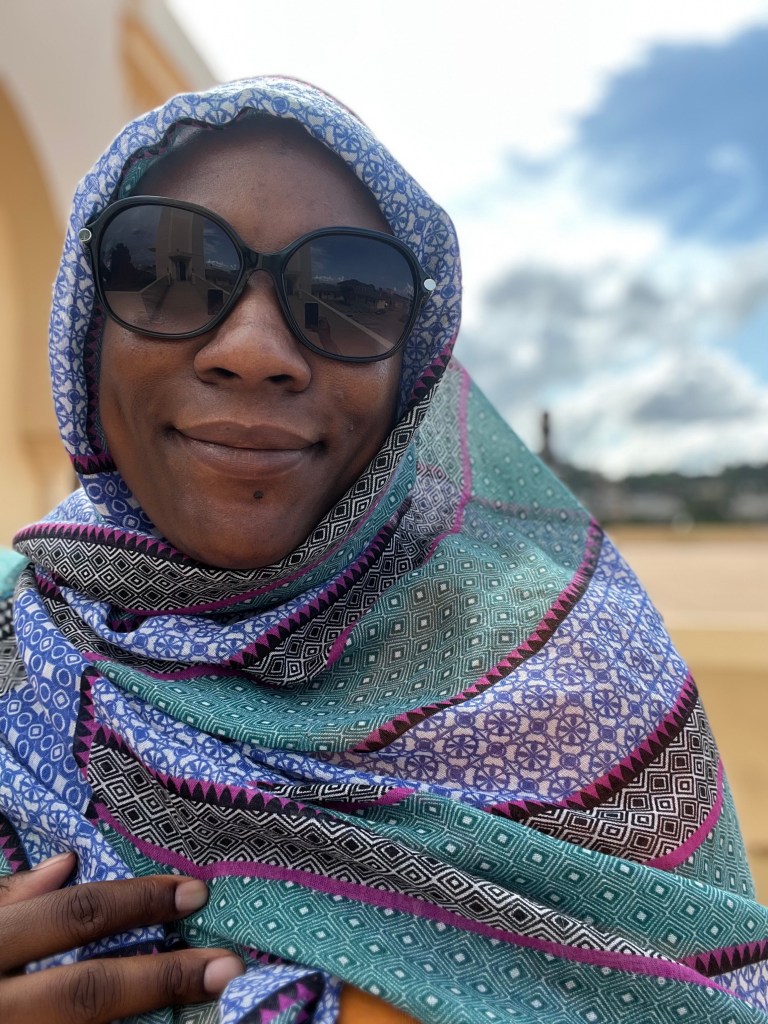
 KSUganda
Leave a comment