
As a professor working in the discipline of Africana Studies, I have spent most of my career focusing on the connections between West and Central Africa and the Americas. Visiting Uganda in East Africa for the first time, I encountered many similarities and surprises.
Specialists in Africana Studies tend to emphasize unifying characteristics of the global Black experience, recognizing the tremendous diversity throughout the African continent and diaspora but focusing on connections, solidarities, collaborations, and parallel experiences. The vast majority of the areas of emphasis in African American Studies focuses on Western Africa, the Caribbean, and the Black experience in Europe. In recent years, more scholars have turned their attention to South America and integrated scholarship from long-neglected Afro-American communities into the global discussion of Blackness. Still much more interdisciplinary research incorporating critical perspectives on race, class, and gender in a postcolonial context is needed–especially in Uganda!

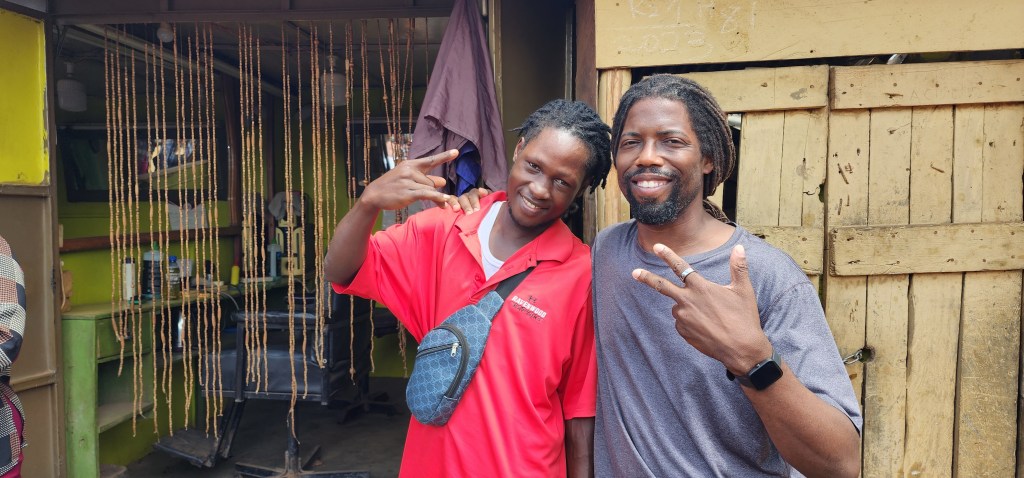
Charles Chandia introduced me to various artists around Kampala who are bringing critical, creative, and community-engaged approaches to their work. One of the many notable standouts I met on this trip was Babaluku Balabyekkubo. Babaluku is a transnational hip hop artist and a pioneer of hip hop in Uganda. He has traveled the globe as a performer and been recognized at the Kennedy Center in the United States. Babaluku is not only a performer, he is a grassroots innovator, applying creative and collaborative insights from hip hop culture to community engagement in his Bavabuku Foundation Mugga Village project. In many ways, Babaluku represents the kind of creative and applied focus that Africana Studies hopes to inspire students to emulate as they come to terms with the complex problems of the 21st century.

Studying public health challenges in Kampala presented some very familiar themes that resonate with African Americans in the United States. One such reflection from this program was our discussions around HIV/AIDS at the Children’s AIDS Fund Uganda (CAFU). The work happening there reminded me of ongoing conversations about the epidemic in Black America. As reflected by the statistics on HIV/AIDS transmission in Uganda, Ugandan and African American women both remain more likely to contract the disease than African American and Ugandan men. Ugandan and African American men and women are both overrepresented in the global statistics for transmission and death from the disease. Dean Monica Swahn’s work with the TOPOWA project and the women of the UYDEL Center presents a much needed example of how shifting the paradigm to empower and elevate women leaders must be central to any meaningful strategy for social change.
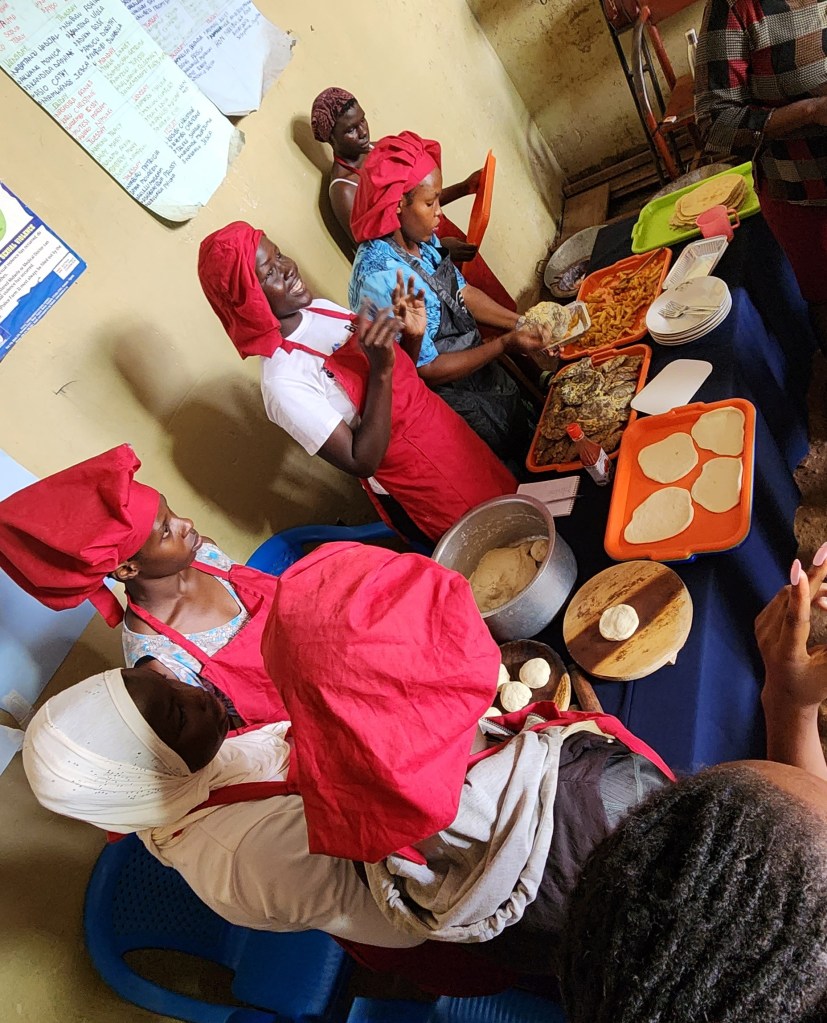
Spending time in slums of the Kampala region illustrated some of the parallel challenges that communities who have been isolated from educational opportunities and public healthcare resources encounter. The recurring media focus on ‘senseless’ violence in Uganda and the United States is commonly misdiagnosed in public discourse as being inherently cultural without significant attention paid to the economic and structural problems that create conditions ripe for conflict. Violence is but one of many factors that relate to a variety of other social determinants of health.
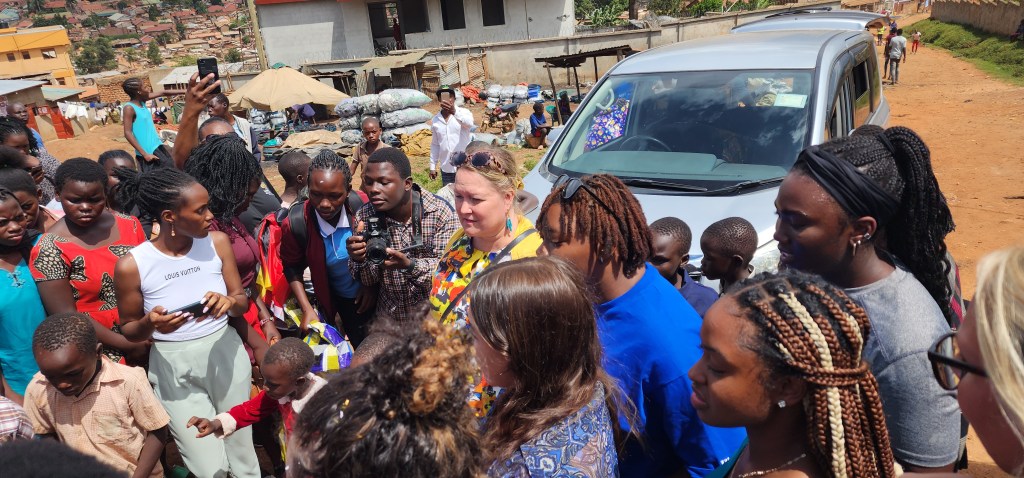
For example, partnering with Dr. Monica Swahn to examine the alcohol crisis also uncovered various parallels for me. Uganda consumes the most alcohol in Africa and that factors directly into a range of other issues. We found it fascinating to explore the culturally-relevant marketing strategies that multinational companies use to increase the consumption of alcoholic beverages in both the United States and in Uganda among communities that lack the resources to advocate effectively against these targeted campaigns. Taken in isolation, one could easily miss the global aspects of how alcohol consumption impacts marginalized communities and contributes to racial public health disparities.
Despite these challenges, Ugandans are not helpless victims but are engaged in critical and creative strategies to address these issues. I’ve had the opportunity to meet to numerous public health professionals, community organizers, and artists who are all leveraging their expertise and talents to speak to the future of one of Africa’s youngest countries. One of the clear takeaways that I have gained from this experience is understanding how the future of Africana Studies must not only focus on the descendants of the transatlantic slave trade and traditional approaches rooted in literature and history but how scholars must also engage opportunities for interdisciplinary collaboration in areas like public health.
 KSUganda
Leave a comment